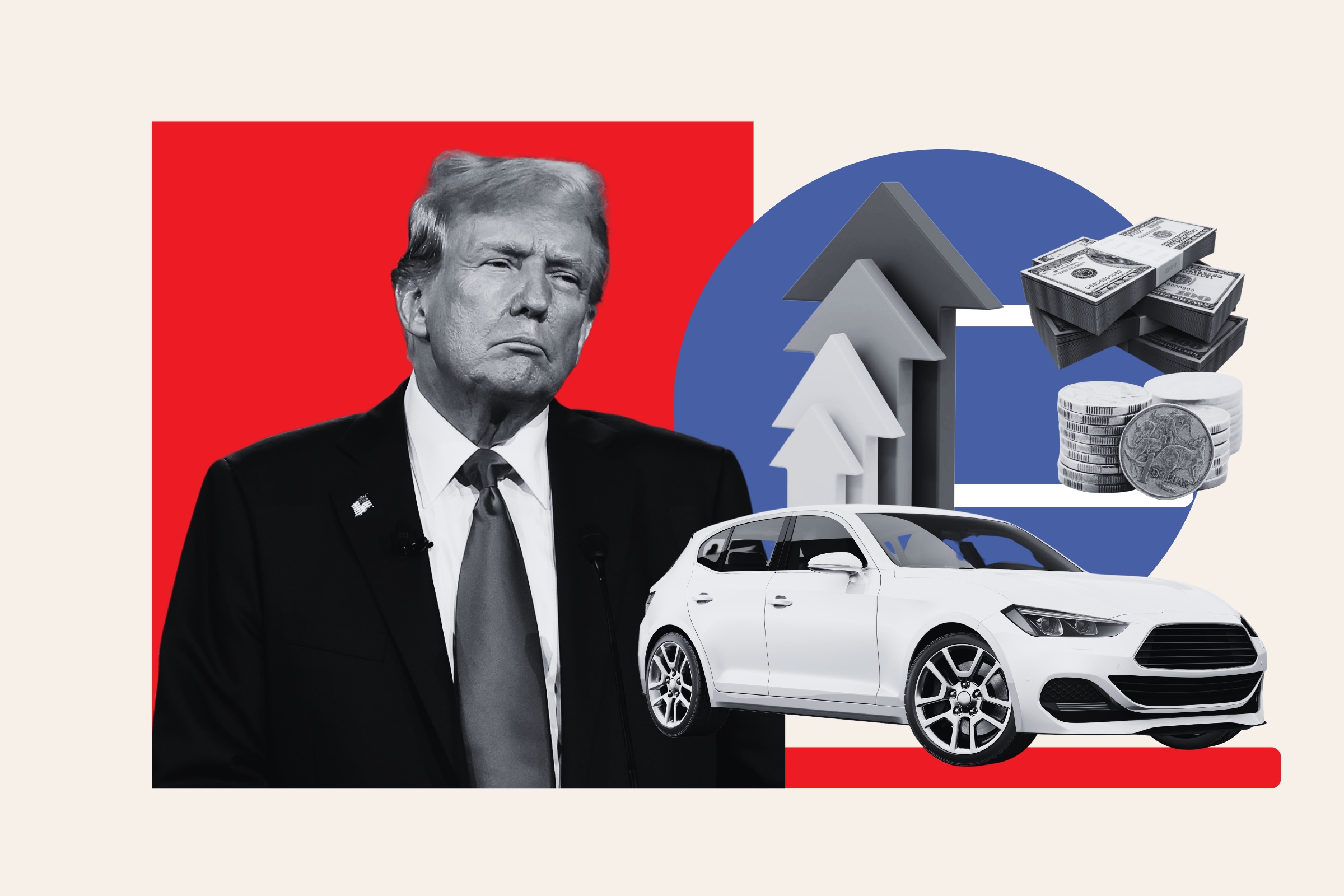
The global automotive industry is facing a new shockwave as the United States enforces a 25% tariff on imported vehicles starting in April 2025. This policy not only impacts manufacturers but also directly affects consumers’ wallets. Rising car prices and market volatility are forcing buyers to be more cautious than ever. This article explores the effects of the new tariffs and offers practical suggestions to help car buyers navigate the current climate.
Sharp Increase in Vehicle Prices
According to Reuters, the 25% tariff on imported vehicles has driven up retail prices of many car models by 10–15% in the U.S. market. European brands like Volkswagen and BMW, as well as Asian manufacturers such as Toyota and Hyundai, are particularly affected—especially if their production is based in countries outside of free trade agreements with the U.S. Notably, even the used car market has seen a price surge since March 2025, according to iSeeCars, as consumers shift toward pre-owned vehicles to avoid the rising cost of new ones.

Vehicle Sales Expected to Decline
Analysts predict U.S. auto sales will drop by 1.8 million units in 2025 due to the tariff. Consumers—especially those with limited budgets—are delaying new car purchases or holding onto older vehicles longer. This puts pressure on dealerships to offer aggressive promotions to stimulate demand. However, even significant discounts may not be enough to offset the already increased base prices.
Ripple Effects on Parts and Maintenance
Tariffs are also pushing up the cost of imported auto parts, making repairs and maintenance more expensive. Components sourced from Europe or Asia now carry a higher price tag, affecting both new and used vehicles. As a result, many consumers are turning to domestic suppliers or bracing for higher upkeep costs. Regular maintenance is more important than ever to avoid costly breakdowns. When parts replacement is needed, prioritize trusted service providers offering quality parts at reasonable prices.
International Reactions and Supply Chain Disruptions
Canada has retaliated with a 25% tariff on U.S.-made vehicles not covered under a free trade agreement, further complicating the North American auto supply chain. Meanwhile, India has been exempt from the tariff due to its limited vehicle exports to the U.S., though its parts suppliers still face pricing pressure. These global shifts are prompting automakers to consider relocating production facilities to tariff-exempt countries—a transition that requires both time and significant investment.
Alternative Options for Buyers
In response to rising costs, many consumers are exploring alternatives such as affordable electric vehicles, hybrids, or even car-sharing services. EVs from brands like BYD and VinFast are gaining popularity thanks to their lower operating costs, although their initial prices are still influenced by broader market dynamics. Some buyers are choosing to upgrade their existing vehicles instead of buying new ones. It’s crucial to assess your actual needs—if your usage is limited to short-distance travel, an EV or hybrid may be the most cost-effective option. If you keep your current car, consider investing in routine maintenance for long-term safety and performance.
A New Era for Car Buyers
The U.S. 25% tariff has reshaped the automotive landscape, driving up vehicle prices and compelling consumers to adapt. Whether you’re in the market for a new car, a used one, or planning to stick with your current vehicle, thorough preparation is essential. Compare prices, track available promotions, and prioritize regular maintenance to reduce long-term expenses. In this time of uncertainty, a well-informed decision can help you save money while still securing a vehicle that fits your needs.