In 2025, the global auto market is undergoing a dramatic “car price war.” Escalating tariffs, rising production costs, and fierce competition among automakers have made pricing a top concern for consumers. Whether you’re in the market for a new or used vehicle, making a cost-effective purchase now requires both insight and strategy. This article analyzes current car pricing trends and shares five practical tips to help buyers minimize expenses in today’s volatile environment.
Tariffs drive sharp price increases
The U.S. government’s 25% tariff on imported vehicles—effective from April 2025—has shaken the market, pushing new car prices up by an average of 10–15%, according to Reuters. Imported models such as the BMW X3 or the Toyota RAV4 manufactured outside of free trade zones are particularly affected. For example, an imported SUV may now cost $5,000 to $7,000 more than it did in 2024. Even domestically produced cars aren’t immune to price hikes, as they rely on imported components—from semiconductor chips to battery systems. This environment is forcing many consumers to rethink their purchasing decisions.
Used cars are no longer a cheap alternative
Once considered a budget-friendly option, the used car market has also been swept up in the price storm. According to iSeeCars, used car prices in the U.S. rose by 7–10% starting in March 2025, as more consumers turned to secondhand vehicles to avoid the high cost of new ones. Popular models such as the Honda CR-V, Toyota Camry, and Ford F-150 now command higher prices, especially if they’re well-maintained. Supply is also tightening, as the drop in new car sales—projected to fall by 1.8 million units this year—has reduced the inflow of trade-ins. Use platforms like Kelley Blue Book or AutoTrader to compare prices, check vehicle history through Carfax, and negotiate assertively with sellers for fair deals.
Dealerships offer promotions to retain customers
In response to declining sales, many dealerships are ramping up promotional efforts. Brands like Chevrolet, Hyundai, and Ford are offering direct discounts ranging from $1,000 to $3,000, or free maintenance packages for unsold inventory. However, with new vehicle supply remaining tight, these deals may not last long. Major sales events—such as end-of-quarter clearances or Black Friday—are expected to offer the best opportunities for savvy buyers.
EVs and Hybrids: A long-term money-saving option
In the face of rising costs, electric vehicles (EVs) and hybrids are emerging as smart financial choices thanks to their low operating expenses. Affordable models like the BYD Dolphin, VinFast VF e34, or Toyota Prius offer competitive entry-level prices—especially when combined with government incentives, such as the $7,500 EV tax credit in the U.S. or tax exemptions in many European countries. While the upfront cost of EVs may still exceed that of gasoline cars, the fuel and maintenance savings typically make them a wise investment over 5–7 years.
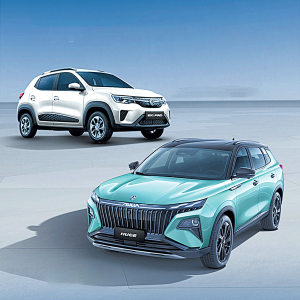
Compare smartly and hunt for deals
Car buyers in 2025 are becoming more pragmatic, prioritizing research and comparison before purchasing. Online tools such as Edmunds, TrueCar, or AutoTrader help users check prices across dealerships and identify the lowest offers in their area. Some consumers are choosing to wait for the launch of new, affordable EV models—like upcoming entries from Tesla or VinFast—to take advantage of introductory pricing. Additionally, negotiating with dealerships can lead to meaningful savings, from price reductions to lower insurance premiums.
Final thoughts
The 2025 car price war presents major challenges—but also unique opportunities—for informed buyers. Despite market disruptions from tariffs and rising costs, you can still save by opting for domestically assembled vehicles, seeking out promotional offers, considering electric or hybrid alternatives, and doing thorough comparisons. Take advantage of online tools, stay updated on market trends, and negotiate confidently to secure the right car without straining your budget. A well-timed, well-researched purchase will ensure you enjoy both financial savings and driving satisfaction for years to come.