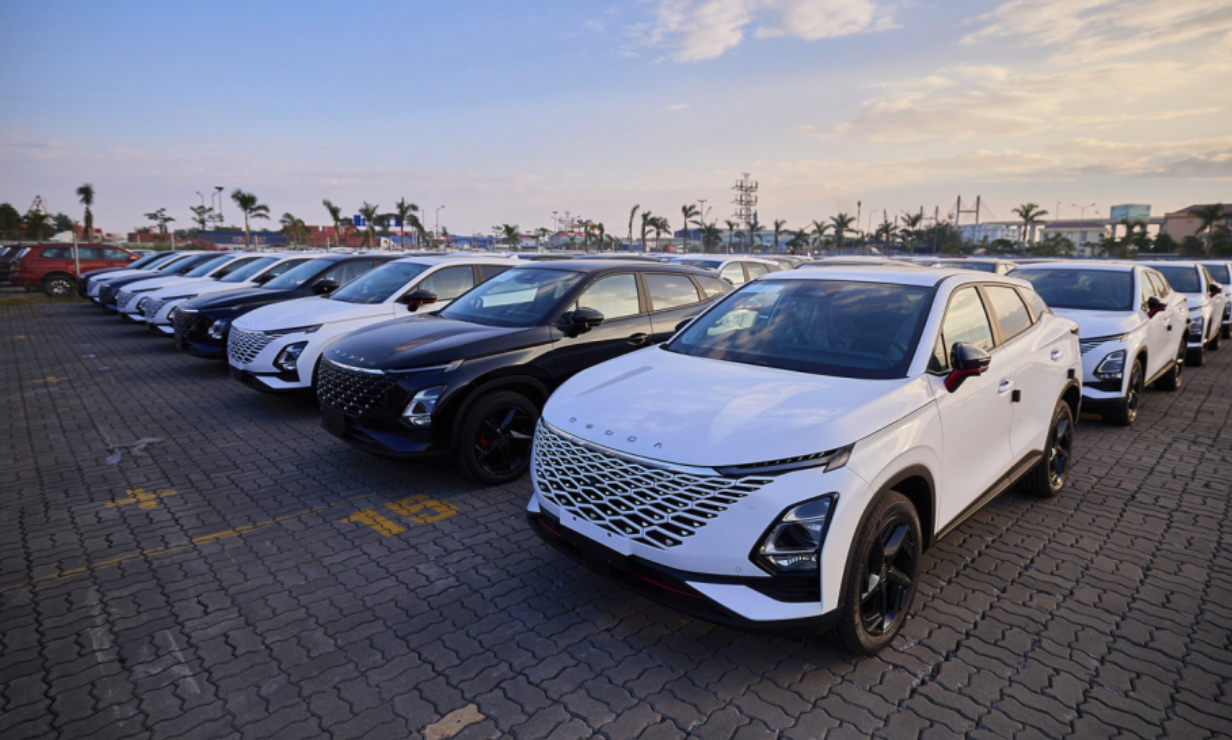
The year 2025 is expected to be a key milestone for Vietnam’s automobile market, as the industry continues to be shaped by economic, social, and technological factors. With the rapid expansion of the middle class, shifting consumer habits, and government support policies, the domestic automobile market faces both significant opportunities and challenges. This article analyzes the key factors influencing automobile demand and supply trends in Vietnam in 2025, providing strategic insights into future developments.
Economic Growth and Consumer Purchasing Power
One of the most critical factors impacting the automobile market is economic growth and consumer income levels. According to forecasts from the World Bank, Vietnam’s economy is expected to maintain a stable growth rate of 6-7% during 2024-2025, leading to an expanding middle class. As a result, the demand for personal car ownership is projected to rise, especially in major urban areas such as Hanoi, Ho Chi Minh City, and Da Nang.
Consumers are not only looking for mobility solutions but are also prioritizing comfort, safety, and sustainability, creating growth potential for multi-purpose vehicles (MPVs) and eco-friendly cars.

Government Policies and Infrastructure Development
The Vietnamese government is demonstrating a strong commitment to fostering the automotive industry through incentive policies. In 2025, tax incentives for electric vehicles (EVs) and domestically assembled cars are expected to be expanded to boost local production and reduce dependence on imports.
Simultaneously, investments in transportation infrastructure, including expressways and EV charging networks, will facilitate the widespread adoption of eco-friendly vehicles. This development will drive both supply and demand, benefiting manufacturers and consumers alike.
Technology Trends and the Rise of Green Vehicles
Technology is reshaping the global automotive industry, and Vietnam is no exception. In 2025, electric and hybrid vehicles are projected to account for a larger share of total car sales, thanks to the active participation of domestic brands like VinFast.
Smart features such as autonomous driving, IoT connectivity, and fuel-efficient systems will become key decision-making factors for car buyers. The increasing demand for green vehicles reflects not only environmental consciousness but also the appeal of lower operating costs, especially amid fluctuating fossil fuel prices.
Brand Competition and Supply Chain Challenges
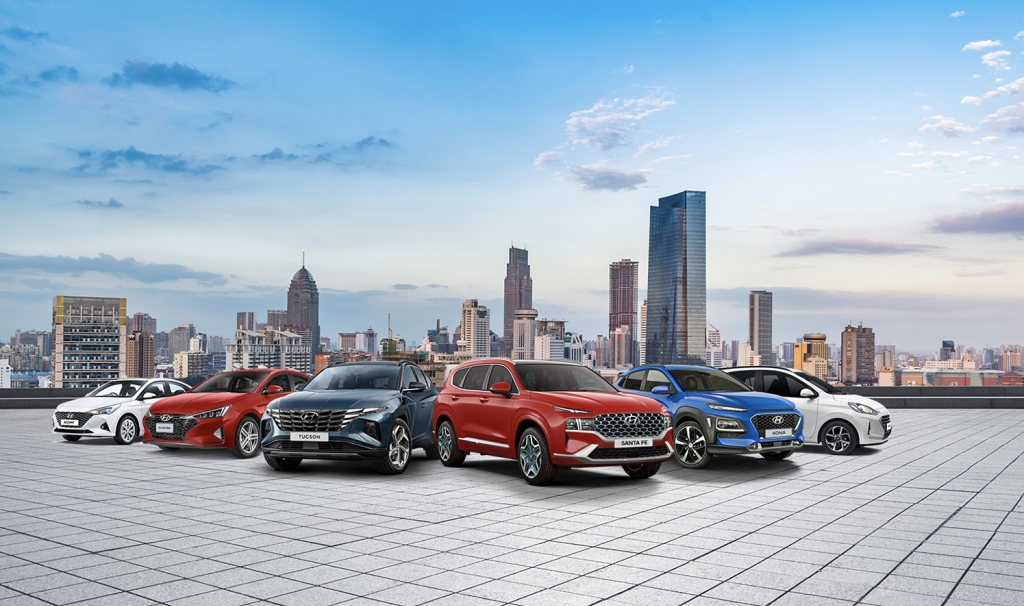
On the supply side, the Vietnamese auto market in 2025 will witness intense competition between domestic and international brands. Japanese and Korean automakers like Toyota, Honda, and Hyundai will maintain strong market positions due to reliability and durability, while VinFast is gaining traction with competitive pricing and advanced technology.
However, global supply chain disruptions, particularly semiconductor shortages, may impact car production if unresolved. Manufacturers will need to adopt flexible production and distribution strategies to mitigate these risks.
Market Outlook and Projections
Overall, Vietnam’s auto market is expected to grow steadily in 2025, with estimated sales reaching around 500,000 units, of which EVs and hybrids will account for 15-20%.
Demand will be driven by fuel-efficient, eco-friendly, and technology-integrated vehicles. However, to fully capitalize on this potential, businesses must collaborate closely with the government to develop infrastructure and enhance domestic production capabilities.
The Vietnamese automotive market in 2025 is not just a battleground for technology and economics but also a testament to evolving consumer behavior. With key shaping factors already in play, this will be a pivotal moment for the domestic automotive industry to solidify its position on both the regional and global stage.