The electric vehicle (EV) market in Vietnam and Southeast Asia is witnessing steady growth, driving a structural shift in automotive repair services. While EV maintenance was previously confined to authorized dealer networks, by 2026, the demand for independent repair services is expanding significantly.
However, repairing an EV is not merely “fixing a gas car with a different structure.” It is an entirely new technical ecosystem that demands higher standards for equipment, training, and operational safety. What must garages prepare to enter this market professionally?
1. High-Voltage Electrical Safety Equipment is Mandatory
Unlike Internal Combustion Engine (ICE) vehicles, EVs operate on high-voltage systems (typically ranging from 300V to 800V). Risks of electric shock, battery explosions, or electric arcs are real threats if technicians do not follow proper protocols.
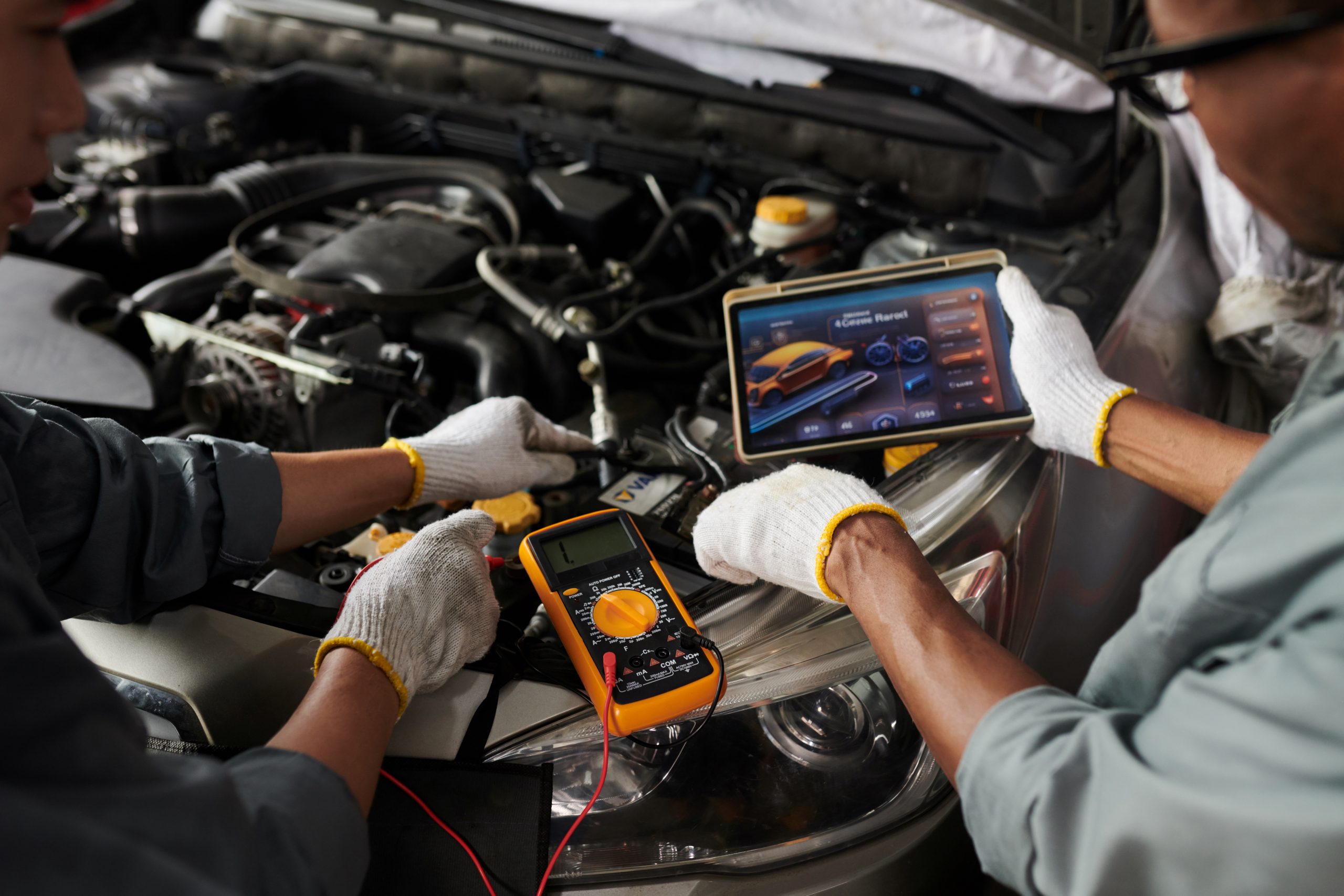
At a minimum, garages must be equipped with:
- Certified insulated gloves.
- Specialized insulated toolsets.
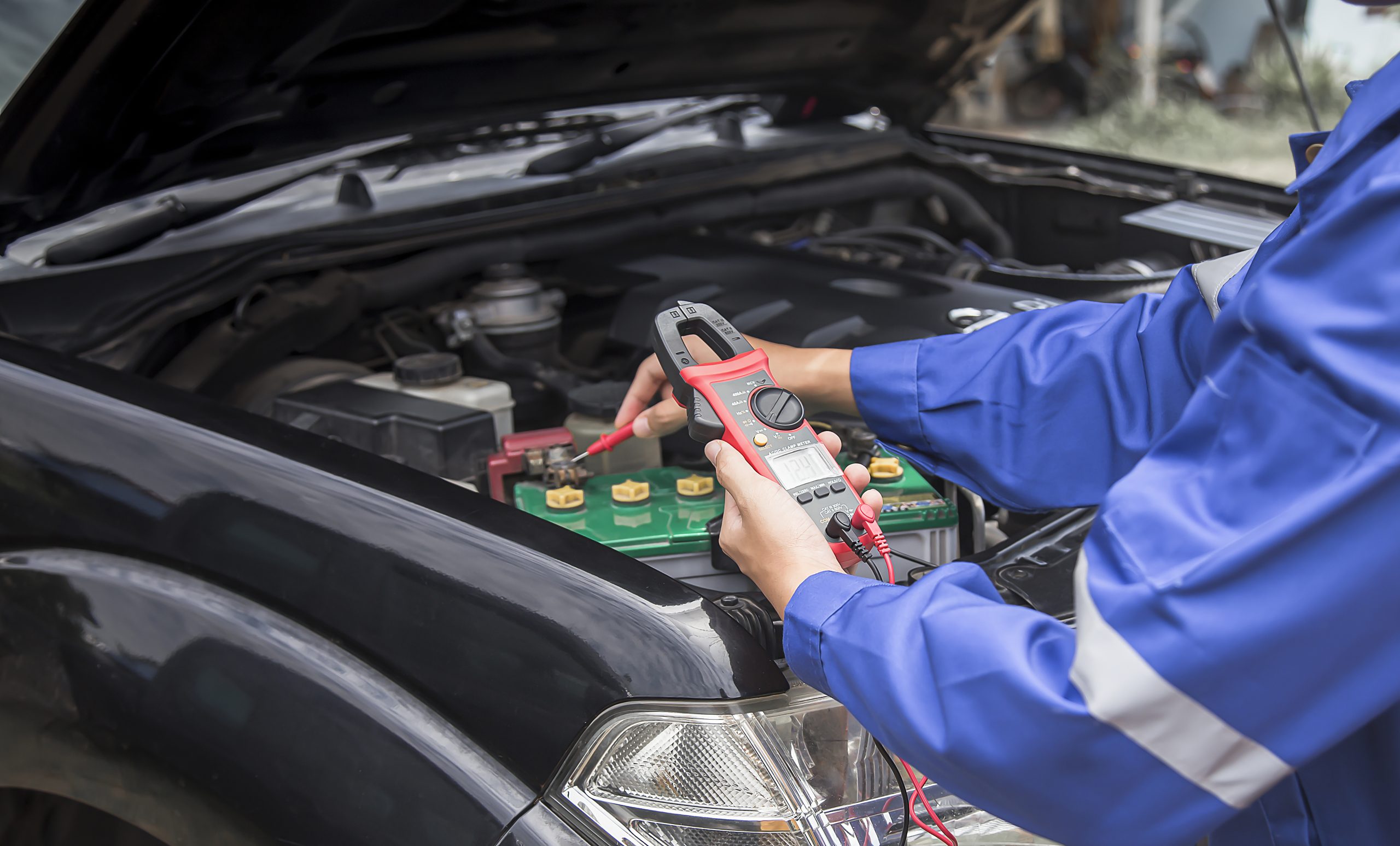
- High-voltage testers/multimeters.
- Warning signs for designated repair areas.
- Insulated mats and specialized Personal Protective Equipment (PPE).
A lack of equipment not only poses danger but also exposes garages to legal risks in the event of workplace accidents. From 2026 onwards, EV repair safety standards are being tightened in many markets, a trend that is certain to spread globally.
2. Technician Training: The Deciding Factor for Service Capability
High-quality equipment remains a risk if technicians are not properly trained. Repairing EVs requires a deep understanding of:
- Battery Management Systems (BMS).
- DC-DC converters.
- Electric Motor Controllers.
- High-voltage power-down/de-energizing procedures.
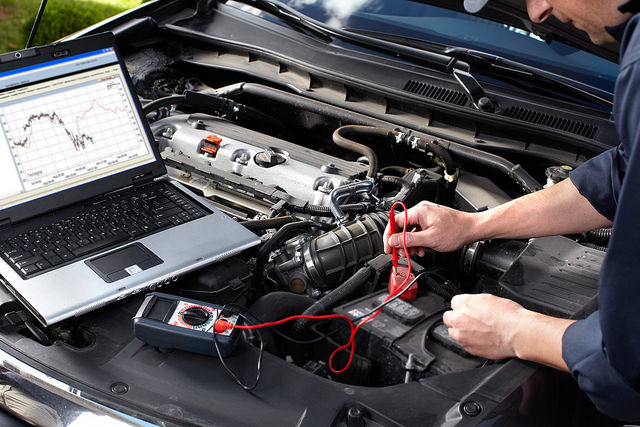
Technicians must be formally trained in power isolation protocols before performing any work. Furthermore, the ability to diagnose electronic system faults and analyze data from diagnostic scanners is essential. Garages can no longer rely solely on traditional mechanical experience to handle electrical and software issues.
3. Specialized Diagnostic Tools and Software
EVs are heavily dependent on electronic control systems and software. Therefore, standard diagnostic tools for gasoline/diesel vehicles may be insufficient. Garages will require:
- Diagnostic scanners supporting EV and Hybrid vehicles.
- Software with updated technical data.
- Battery and module testing equipment.
Advanced diagnostic equipment not only ensures accurate troubleshooting but also enhances the garage’s reputation. While the initial investment may be high, it serves as the foundation for accessing high-value service segments beyond basic maintenance.
4. Dedicated EV Repair Zones
A clear trend in 2026 is the establishment of specialized repair zones for EVs to ensure:
- Control of battery fire and explosion risks.
- Segregation of EVs from internal combustion vehicles.
- Ease of isolation in case of emergencies.
Workspace must be well-ventilated and equipped with fire suppression systems suitable for Lithium-ion battery fires—which have significantly different characteristics than traditional fuel fires.
5. The Investment Cost and ROI Equation
A major concern for garage owners is the initial investment cost, which includes:
- High-voltage safety equipment.
- Specialized diagnostic scanners.
- Personnel training.
- Infrastructure upgrades.
However, from a strategic perspective, the EV repair market is currently less competitive. As EV adoption grows, the demand for repairs will arrive sooner than expected. Garages that move early will build trust in this new segment. Instead of aggressive spending, garages can implement a roadmap: starting with training and diagnostics, then expanding into specialized repairs to optimize capital.
6. Risks of Delaying the Transition
Focusing solely on ICE vehicles may lead to:
- A gradual decline in repair volume over the next 5–10 years.
- Loss of customers to centers with EV expertise.
- Limited access to the newest vehicle generations.
The history of the automotive industry shows that every technological shift creates a natural filtering process. EVs are not a short-term trend but a long-term industry structure.
Conclusion: Safety as the Foundation of Modern Auto Repair
2026 is the time for garages to seriously evaluate their position in the new repair ecosystem. EV repair is not just a service expansion; it is a comprehensive upgrade of equipment, technique, and operational mindset. Early preparation will provide a distinct competitive advantage as the market enters a period of rapid growth for EVs and hybrids.
Follow the CarDoctor website regularly to stay updated with the latest automotive market news, technical knowledge, technology trends, and practical insights on running an efficient auto repair garage.