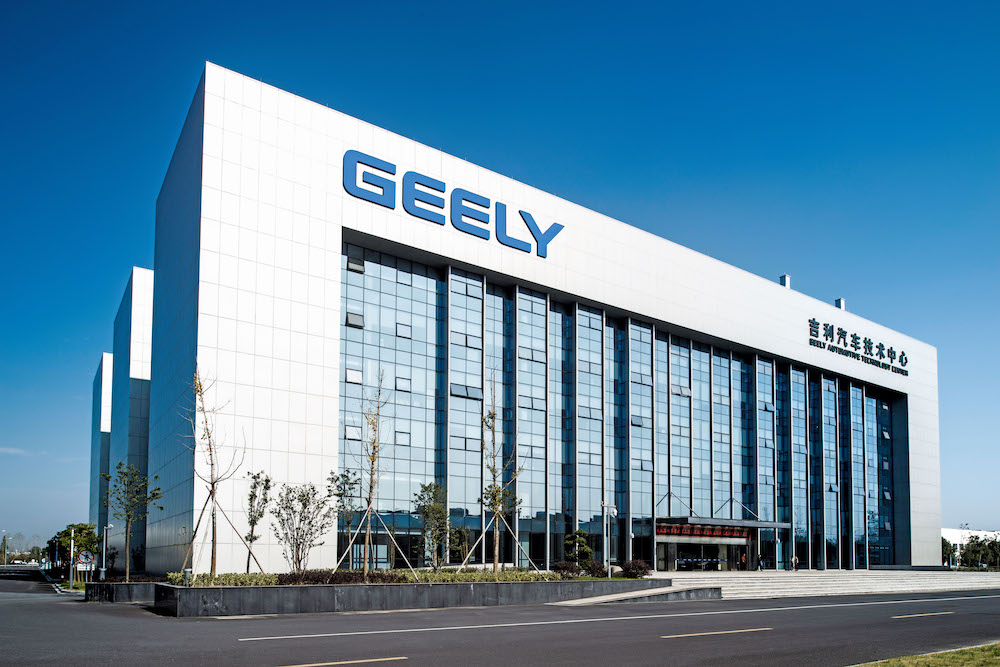
As the global automotive industry enters a phase of fierce competition in technology and safety, upgrading testing standards has become a top priority for manufacturers. Recently, Geely Auto officially inaugurated a state-of-the-art automotive safety testing center with a total investment of $284 million in Ningbo, China (Source: Reuters).
This move not only signals Geely’s ambition to elevate product quality standards but also reflects a global trend toward tightening safety regulations for Electric Vehicles (EVs), power batteries, and Advanced Driver Assistance Systems (ADAS).
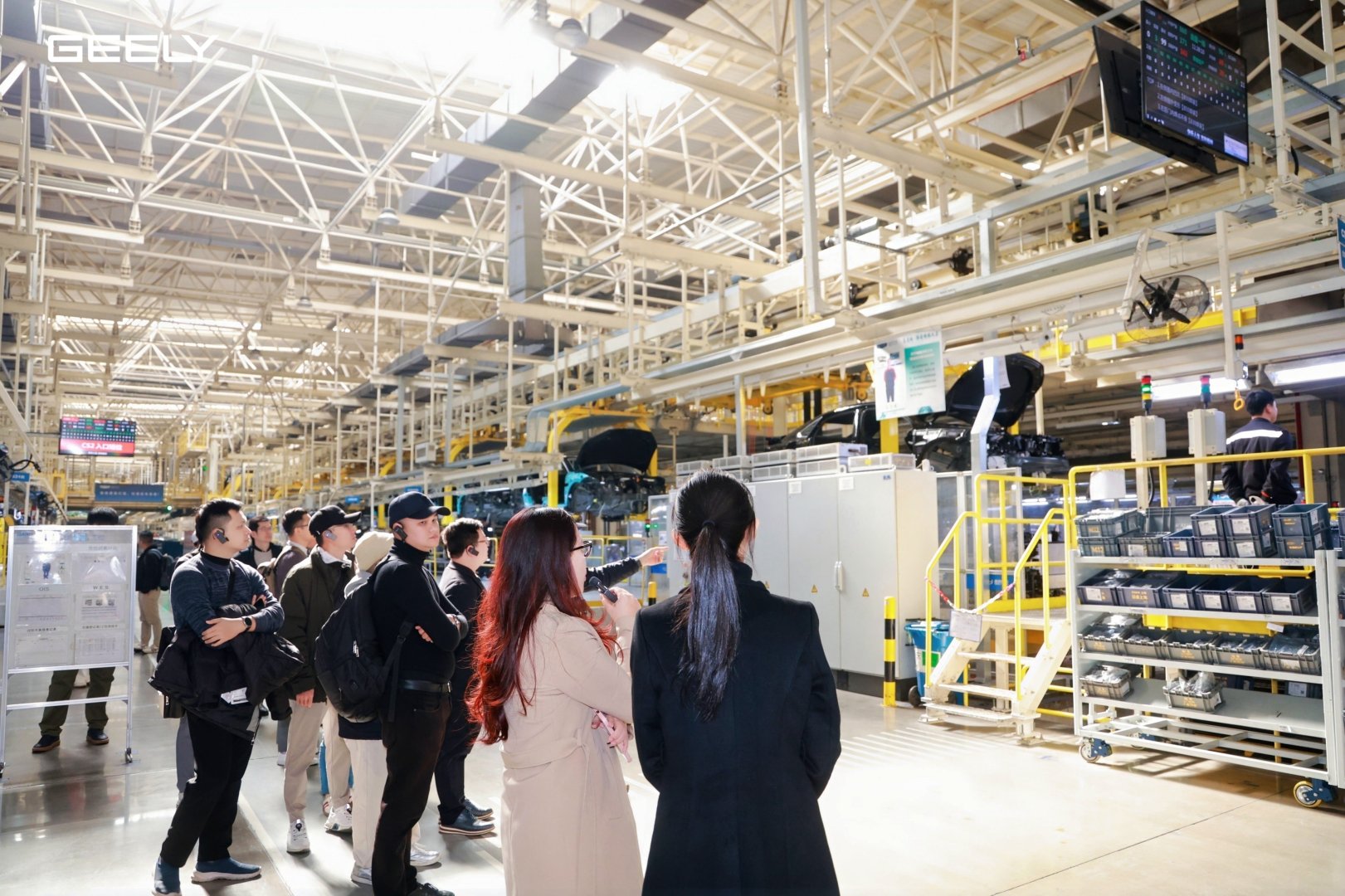
A $284 Million Testing Center: Geely’s Strategic Move
According to Reuters, the new facility was built to provide comprehensive safety testing services for both the group’s internal brands and other automakers. The center is capable of conducting dozens of different testing categories, including:
- Crash testing across multiple scenarios.
- EV battery safety assessments.
- Advanced Driver Assistance Systems (ADAS) testing.
- Structural body and electronic component testing.

This large-scale investment in testing infrastructure indicates that Geely is preparing for a new competitive era where “safety” is no longer just an added advantage but a mandatory benchmark.
Why are EV Safety and ADAS the Focus of 2026?
The global EV market has grown robustly in recent years, leading to stricter requirements for battery inspection, electronic control systems, and navigation software. Incidents related to battery fires or driver-assistance system failures have previously forced many automakers to conduct large-scale product recalls.
ADAS systems—including collision warnings, lane-keeping assist, and autonomous emergency braking—are becoming increasingly common even in budget segments. However, these technologies rely heavily on sensors, radar, cameras, and data-processing software. Any minor discrepancy in components or the calibration process can directly impact safety levels.
Geely’s construction of an intensive testing center shows that the automotive industry is moving toward a stage of “comprehensive standardization”—where every safety-related component must pass rigorous tests before hitting the market.
Impact on the Component and Parts Supply Chain
As testing standards rise, the pressure extends beyond automakers to the entire component supply chain. Specifically, the following parts groups will be significantly affected:
- Radar sensors, cameras, and ADAS control modules.
- Battery packs and Battery Management Systems (BMS).
- Braking components, airbags, and chassis.
- On-board electrical and electronic systems.
Suppliers are now forced to meet higher quality standards while enhancing traceability, independent testing, and international safety certifications. This also widens the gap between certified components and substandard products in the market, particularly within the replacement parts segment.
How Will Garages and Aftersales Services Change?
The global trend of tightening safety standards directly impacts garage networks and aftersales services.
- Calibration Requirements: Repairing vehicles equipped with ADAS requires sensor recalibration after every windshield replacement, body repair, or electronic intervention. This necessitates specialized equipment and certified parts for garages.
- Consumer Awareness: Customers are increasingly concerned about the origin and quality of replacement parts. For safety-critical parts like brakes, sensors, or electrical systems, choosing non-compliant parts can pose severe risks.
In this context, the garage acts not just as a repair shop but as the “final quality control point” before a vehicle returns to the road.
New Safety Standards: Opportunity or Challenge?
While tightening testing standards may increase input costs, in the long run, it fosters a more transparent and professional market.
- For Automakers: It is an opportunity to strengthen brand reputation by ensuring the highest product quality and minimizing recall risks.
- For Parts Suppliers: Stricter technical requirements create a competitive edge for companies that meet the standards, increasing their chances of joining global supply chains.
- For Garages: This trend opens up a high demand for specialized technical services, particularly ADAS calibration and electrical safety inspections for EVs and smart cars.
2026 is seen as a pivotal year when the automotive industry shifts from a “tech race” to “tech standardization.”
Conclusion: Safety as the Core Foundation of the Modern Auto Industry
Geely’s $284 million investment is more than just an infrastructure project; it is a signal that the global automotive industry is entering a new developmental stage—where safety standards are prioritized alongside performance and design.
As EVs and driver-assistance systems become more prevalent, the quality of components and testing protocols will determine a business’s position in the value chain. For those in the parts and garage service sectors, staying updated on new safety standards, selecting certified components, and investing in specialized equipment will be key to maintaining a competitive edge in the era of smart mobility.