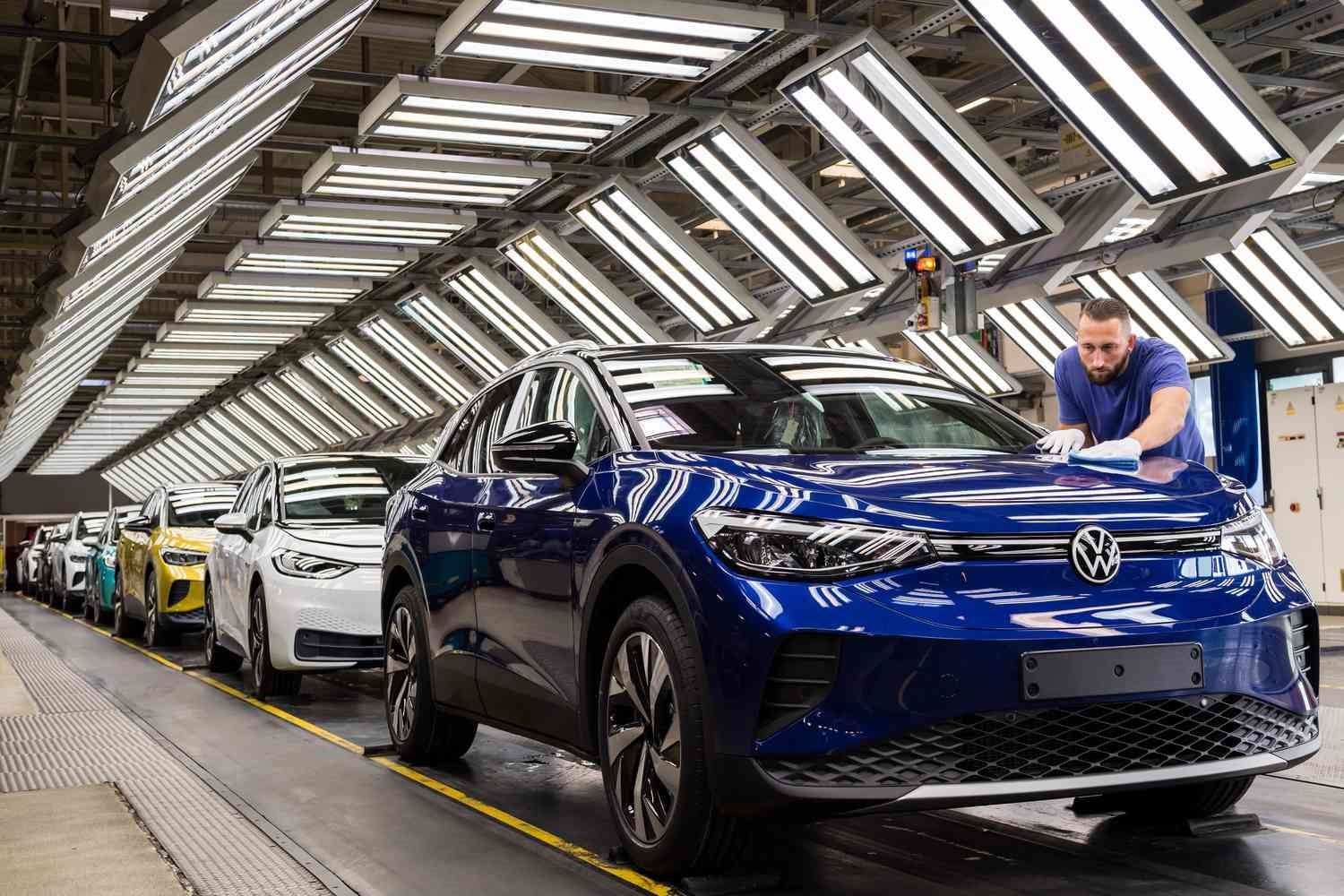
Once a symbol of quality and innovation, the European automotive industry is facing a major crisis in 2025. Harsh U.S. tariffs, fierce competition from Asian brands, mounting pressure to transition to electric vehicles, and declining consumer trust are putting iconic names like Volkswagen, BMW, and Mercedes-Benz in a precarious position. Can these industry giants find a way out? This article analyzes the root causes of the crisis and explores potential strategies for recovery.

U.S. Tariffs Disrupt the Market
The United States’ imposition of a 25% tariff on imported vehicles since April 2025 has dealt a severe blow to European carmakers. According to Reuters, retail prices for models like the Audi Q5, BMW X5, and Porsche Cayenne have risen by 10–15% in the U.S., leading to a noticeable drop in sales. The U.S. is a key market, accounting for up to 20% of revenue for several German brands, and these tariffs have made it harder for them to compete with domestic players like Ford or tariff-exempt imports from Mexico. American consumers now pay thousands more for already premium-priced European cars.
Fierce Competition from Asia
The rapid rise of Asian automakers—particularly BYD and VinFast—is threatening Europe’s long-held dominance. Bloomberg reports that BYD surpassed Volkswagen in global EV sales in 2025 with budget-friendly models like the Seagull, starting at just $25,000. In contrast, European brands like Mercedes-Benz and Audi have focused on high-end EVs, losing ground in the mass-market segment across key regions such as China and Southeast Asia. Meanwhile, VinFast has gained attention with plans to launch mini electric buses tailored for urban transport.
Emissions Regulations Fuel Pressure
Strict emissions regulations from the European Union are forcing automakers to scale down internal combustion engine production and invest heavily in electrification. However, the cost of developing EV technologies—from batteries to software—is straining budgets. Volvo reported a 10% decline in profits due to its electrification investments, while Volkswagen delayed several EV launches amid supply shortages from European battery providers. Although charging infrastructure is expanding, it still lags behind demand, especially in rural areas.
Shaken Consumer Confidence
European cars have long been praised for their durability, but recent issues with EV models such as the BMW i4 and Audi e-tron—ranging from software bugs to delayed updates—have raised concerns. Meanwhile, brands like Tesla and BYD are earning accolades for their seamless user experience. These setbacks are prompting younger buyers to explore alternatives. Additionally, the high price tags of European vehicles are making it difficult for them to compete in the mid-range market.
Innovation Still Offers a Path Forward
Despite mounting challenges, European automakers continue to lead in innovation. Mercedes-Benz has introduced Level 3 autonomous driving on its GLE series, enabling the vehicle to handle certain traffic scenarios independently. Porsche remains dominant in the performance EV space with the Taycan Turbo GT, while BMW is showcasing AI-powered smart interiors. These advanced technologies not only appeal to tech-savvy consumers but also open the door to strategic partnerships with tech giants like NVIDIA, accelerating innovation.
A Defining Moment for European Automakers
The year 2025 marks a turning point for European car manufacturers. Tariffs, competition, and regulatory pressures have created a perfect storm—but with a legacy of engineering excellence and a strong capacity for innovation, companies like Volkswagen, BMW, and Mercedes-Benz are still capable of turning the tide. Relocating production, developing affordable EVs, improving customer experience, and embracing cutting-edge technology will be key strategies for resurgence.

For consumers, closely monitoring these developments could present a golden opportunity to acquire premium European vehicles at exceptional value during this transitional era.