Why is “The Right Part” Always a Big Deal?
When advising on component replacement, many garages and customers wonder which type of part to use. In repair practice, a single replacement item can have 3–5 different price points depending on the source: Genuine (Original), OEM, or Aftermarket. Choosing the wrong one not only inflates costs and extends waiting times but also directly impacts driving safety and customer experience. This article systematizes these concepts, highlights core differences, and guides the selection of the appropriate parts channel for each case to ensure quality while optimizing cost and time.
1. What are Genuine (Original) Parts?
In essence, these are components packaged and distributed by the vehicle manufacturer (Vehicle OEM) under the car brand’s label. Most are produced by Tier 1 suppliers according to OE standards, passing through quality control processes, part numbering, branding, and warranty documentation synchronized with the manufacturer’s system.
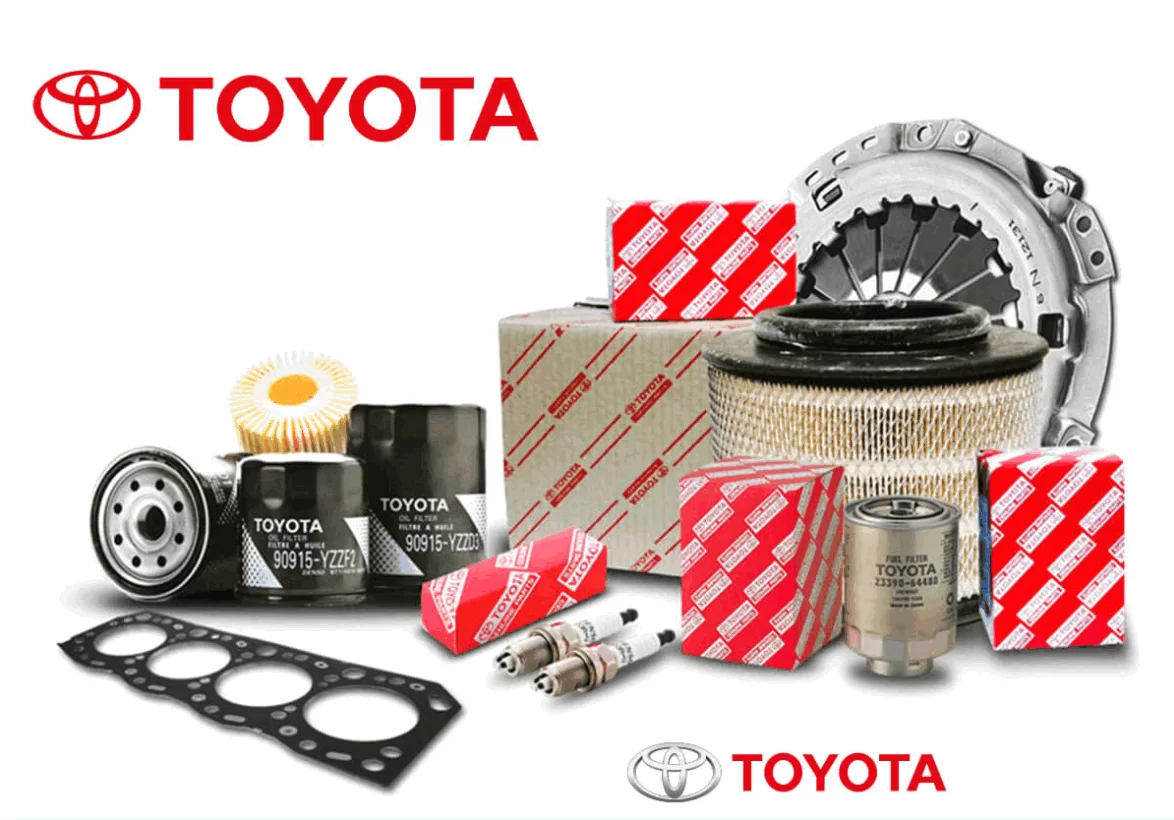
In the workshop, genuine parts are highly valued for:
- High precision and low assembly tolerance, reducing the risk of repeated installations.
- Complete documentation and records, convenient for warranty and auditing.
- Technical support from the dealer/distributor network.
The common disadvantages are high prices and long lead times for rare part numbers. Therefore, Genuine parts are best suited for safety-critical components (brakes, steering, airbags), vehicles under warranty, or customers requesting to maintain original “factory” value.
2. OEM (Original Equipment Manufacturer) Parts: “OE Quality, Softer Price”
These are components manufactured by the original equipment supplier (e.g., Bosch, Denso, Valeo, NGK…) according to OE standards but without the car brand’s logo. Regarding specifications and finishing, many part numbers are identical to Genuine parts, yet they are packaged and warranted by the component manufacturer or distributor.
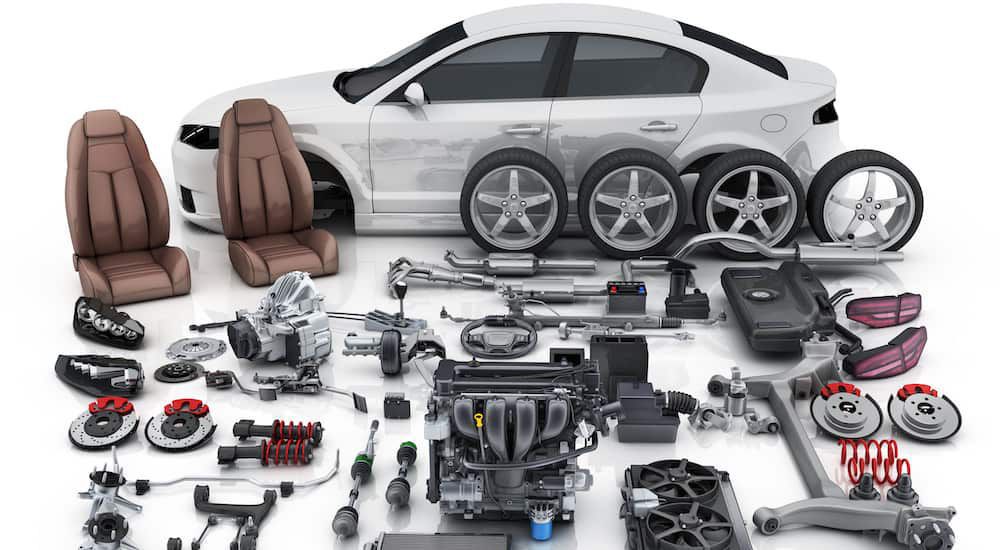
When should you consider OEM?
- Routine maintenance (filters, spark plugs, drive belts…), where stability and economy are the criteria.
- Out-of-warranty vehicles that need to maintain a “factory-like” driving experience without the budget pressure.
- Cases requiring fast delivery: many OEM parts are more readily available than certain Genuine codes.
Note: Always verify the brand and distribution channel to avoid “counterfeit OEM” claims.
3. Aftermarket Parts: A Wide Range from Budget to Upgrades
Aftermarket represents the rest of the market: manufacturers who are not OE suppliers for the car brand but produce parts based on their own designs or OE references. The product range is very broad:
- Standard lines: Competitively priced, suitable for older vehicles or commercial cars needing cost optimization.
- Performance/Upgrade lines: High-performance brake pads, performance air filters, sports shock absorbers, upgraded exhausts…
The advantages are flexibility in price and time; the disadvantage is that consistency varies between brands and series. Therefore, choosing reputable brands with clear certifications and feedback is key.
Workshop Reality: What to Choose for Each Repair Case?
- Safety/Core Systems Group: For items directly related to safety such as brakes, steering, suspension, airbags, or ABS/ESP sensors, the safest and lowest-risk choice remains Genuine parts or OEM from Tier 1 manufacturers. Mechanical precision and software compatibility help mechanics reduce trial-and-error time and preserve the garage’s reputation.
- Routine Maintenance Group: For oil filters, air filters, fuel filters, spark plugs, or belts, the balance between quality and cost lies in OEM parts with clear origins. This is ideal for out-of-warranty or high-frequency commercial vehicles, provided the garage strictly controls part numbers and warranty conditions.
- Electrical – Electronic Group: For components like position sensors, fuel pumps, control modules, or condenser fans, even small deviations in specifications can trigger system errors. In this group, Genuine or OEM parts matched accurately by VIN and technical diagrams are the most reliable choices.
- Exterior – Interior – Body Group: Items such as light assemblies, mirrors, plastic trim, and gaskets need to balance aesthetics, water-tightness, and cost. For vehicles requiring absolute finishing, prioritize Genuine. Conversely, if a customer wants to personalize the appearance or upgrade lighting, certified Aftermarket versions are a reasonable direction.
- Urgent Cases – Maintaining Schedule: When a quick turnaround is required to ensure vehicle rotation, lead time becomes as important as cost. Garages may prioritize in-stock OEM or Aftermarket parts from verified suppliers, provided that VIN verification and “dry fit” checks are fully performed.
- Performance Upgrade Case: This is the “stage” for high-performance Aftermarket parts, especially for pickup trucks handling steep terrain or vehicles requiring shorter braking distances. Only choose brands with transparent technical documentation and clear warranties.
Conclusion
There is no “one-size-fits-all” answer when choosing between Genuine, OEM, or Aftermarket parts. The optimal decision lies at the intersection of technical safety, “original” vs. “upgraded” expectations, the customer’s budget, and actual repair progress. The important thing is that the garage maintains a standard process: accurate matching by VIN (Vehicle Identification Number), source verification, warranty recording, and post-installation inspection.
To shorten the time spent searching, comparing, and verifying, garages can utilize the CarDoctor Garage V2 platform with a network of verified suppliers, transparent pricing, and three-stage shipment tracking, allowing you to focus more on craftsmanship and service quality.