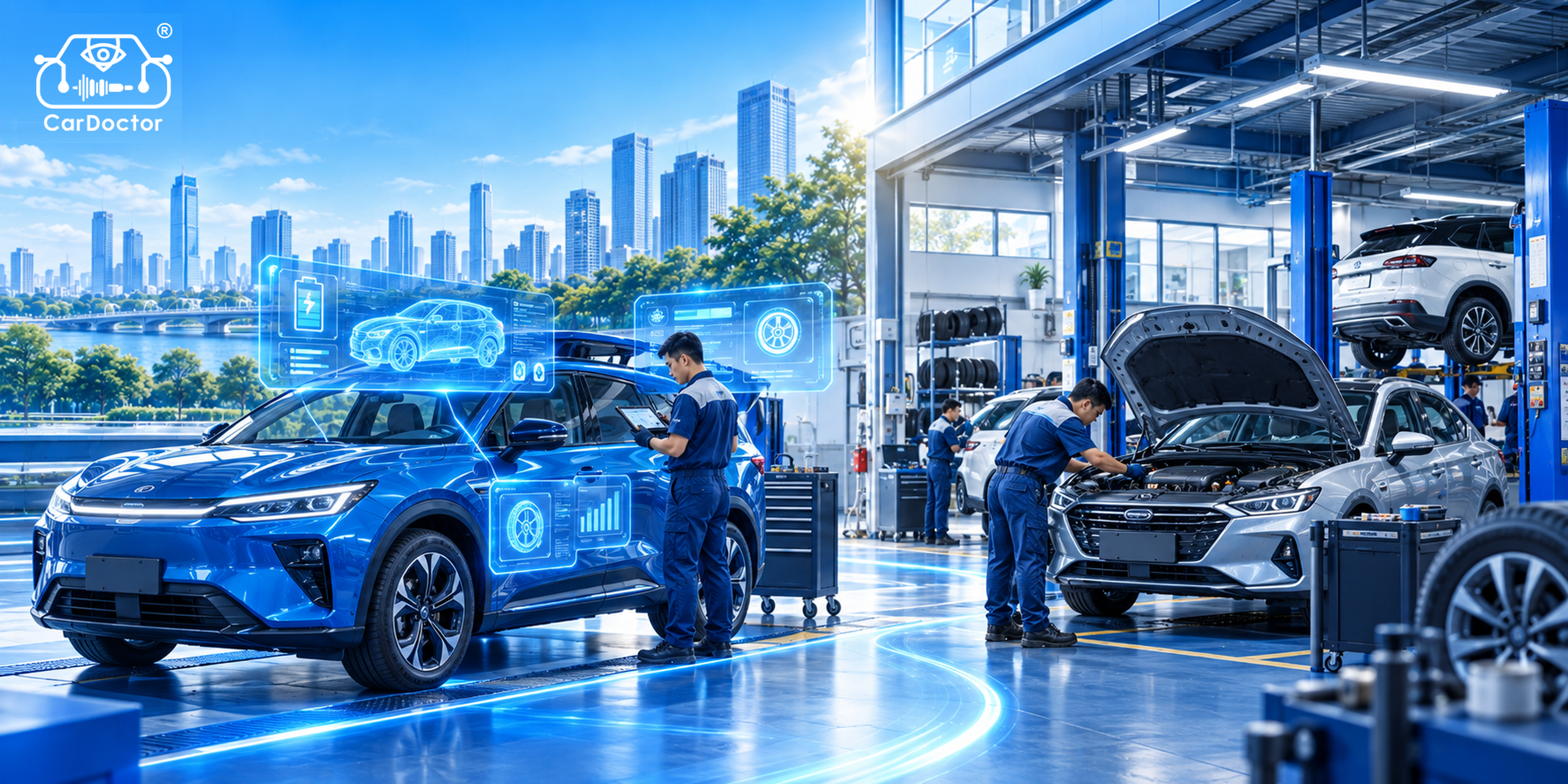
Self-driving technology is ushering in a new era for the automotive industry, promising to transform how we travel in the near future. From vehicles capable of self-navigation and obstacle avoidance to reducing human error-related accidents, autonomous cars present an exciting vision.
However, in Vietnam, where traffic infrastructure and driving habits present unique challenges, is this technology truly feasible and safe? Let’s explore the potential and challenges of autonomous vehicles in the Vietnamese context.
Autonomous Technology: The Power of Artificial Intelligence
Self-driving cars operate through a combination of Artificial Intelligence (AI), sensors, radar, and cameras. Leading models like the Tesla Model 3 and Waymo One can recognize lanes, adjust speed, and avoid collisions without human intervention.
In Vietnam, this technology is still in the early research and testing phase, mainly conducted by large corporations or in controlled environments such as smart cities. While reducing accidents caused by fatigue or distraction is a major advantage, safety concerns remain a key challenge.
Infrastructure Challenges in Vietnam
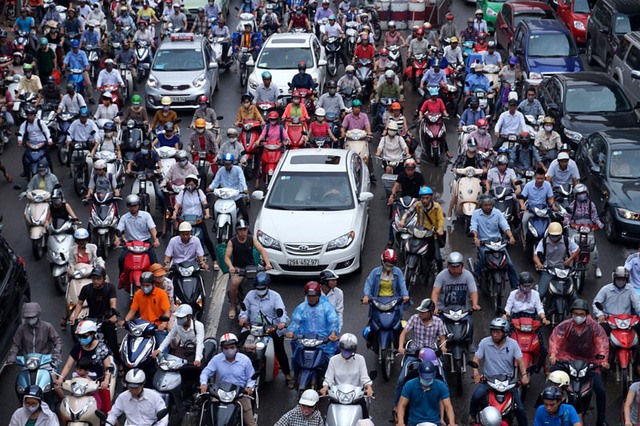
While autonomous driving technology holds great promise, its implementation in Vietnam faces significant hurdles. In major cities like Hanoi and Ho Chi Minh City, frequent traffic congestion, high vehicle density, and inconsistent road infrastructure pose challenges.
Self-driving cars require clear lane markings, standardized traffic signs, and stable network connectivity—factors that many areas in Vietnam have yet to fully develop. Additionally, Vietnamese driving habits, which are often adaptive and at times unpredictable, could make it difficult for AI systems to accurately anticipate and respond to real-world traffic situations.
Feasibility in Vietnam: A Cautious Approach

At present, fully autonomous vehicles are not yet viable for widespread deployment in Vietnam. However, semi-autonomous driving features—such as emergency braking and lane-keeping assistance—have already been integrated into high-end vehicle models, serving as an important stepping stone for consumer adoption of this technology.
In the future, self-driving vehicles may become more feasible in industrial zones or newly developed smart cities, such as Phu Quoc, where modern infrastructure is designed to support technological advancements.
However, to ensure safety and successful integration, there must be close collaboration between the government, businesses, and the public to upgrade infrastructure and establish comprehensive legal regulations for autonomous driving.