
Driving is an important but challenging skill, especially for new drivers. When you first get behind the wheel, navigating busy roads or unexpected situations can be confusing. Here are 5 common mistakes new drivers make along with effective solutions to help you drive more safely and confidently.
1. Not Keeping a Safe Distance
A typical mistake new drivers make is not keeping a safe enough distance from the vehicle in front. Due to a lack of experience in judging speed and distance, many people park too close, leading to the risk of a collision when the vehicle in front brakes suddenly. This is especially dangerous in slippery conditions or when visibility is poor. Apply the “3-second” rule – keep a distance so that it takes you about 3 seconds to reach the vehicle in front. In bad weather conditions such as rain or fog, increase the distance to 5-6 seconds. Regular practice will help you get a better sense of safe distances.
2. Using the brakes and accelerator inappropriately
New drivers often step on the accelerator too hard when starting or brake suddenly when encountering obstacles, causing a jerky feeling and increasing the risk of losing control of the vehicle. This error often comes from not being familiar with the sensitivity of the accelerator and brakes. Practice controlling the accelerator and brakes gently, especially when starting or stopping the vehicle. Find an empty area such as a parking lot to practice, get used to the vehicle’s reactions. When driving, stay calm and anticipate the situation to avoid hasty reactions
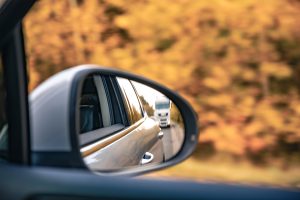
3. Ignoring the rearview mirror and blind spot
Many new drivers forget to check the rearview mirror or blind spot before changing lanes, turning, or passing another vehicle. This can easily lead to collisions with vehicles in blind spots that you cannot see. Make it a habit to check the rearview mirror every 5-8 seconds and always check the blind spot by looking over your shoulder before changing direction. You can also adjust your mirrors properly and consider installing a side mirror to help you see better.
4. Confusion in complex traffic situations
Situations such as busy intersections, cross traffic, or complex traffic signals can cause new drivers to panic and make bad decisions. This is often due to lack of experience and skills in handling situations. Start with simple, low-traffic routes to get used to driving. When you are more confident, try driving in crowded areas during off-peak hours. Read the signs and road markings carefully and stay calm. If necessary, you can take an advanced driving course to improve your skills.
5. Neglecting vehicle maintenance
New drivers often ignore routine vehicle checks and maintenance, such as tire pressure, engine oil level, or brake condition. A vehicle that is not properly maintained can cause dangerous incidents on the road. Make it a habit to check your car before every long trip, including tires, lights, and coolant. Have your car serviced according to the manufacturer’s recommended schedule. Learn to recognize unusual signs such as strange noises, vibrations, or warning lights so you can handle them promptly.
Safe driving requires patience, caution, and continuous learning. Making mistakes is inevitable for new drivers, but the important thing is to recognize them and improve. Take the time to practice, obey traffic laws, and always put safety first. With experience, you will soon become a confident, capable driver on every journey!