The automotive industry is undergoing an unprecedented revolution, transforming cars from mere transportation tools into intelligent, connected, and autonomous machines. With advancements in Artificial Intelligence (AI), the Internet of Things (IoT), and renewable energy, modern vehicles do more than just provide mobility—they enhance safety, comfort, and sustainability. Let’s explore the cutting-edge technologies shaping the future of the automotive industry, where “smart cars” are no longer science fiction but a reality within reach.
Autonomous Driving: Advancing Safety and Convenience
One of the most remarkable breakthroughs is autonomous driving technology. Automakers such as Tesla, Waymo, and Toyota have integrated AI-powered systems into vehicles, enabling them to recognize roads, detect obstacles, and make real-time driving decisions.
For instance, Tesla’s Autopilot not only helps vehicles maintain lane positioning but also adjusts speed automatically based on traffic conditions. This technology reduces accidents caused by human error while offering a more comfortable driving experience, particularly on long journeys.
The Internet of Things: Cars as Smart Hubs
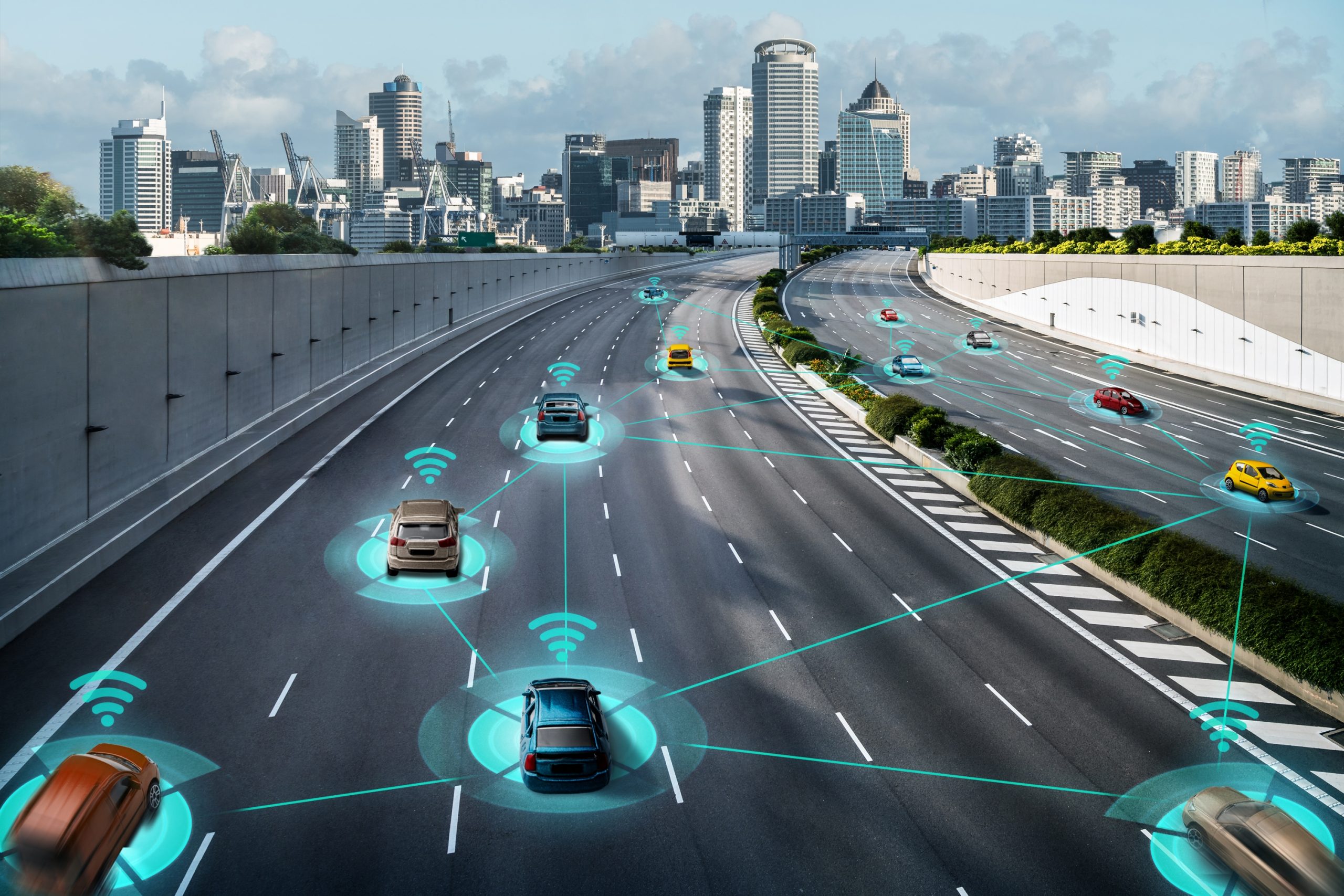
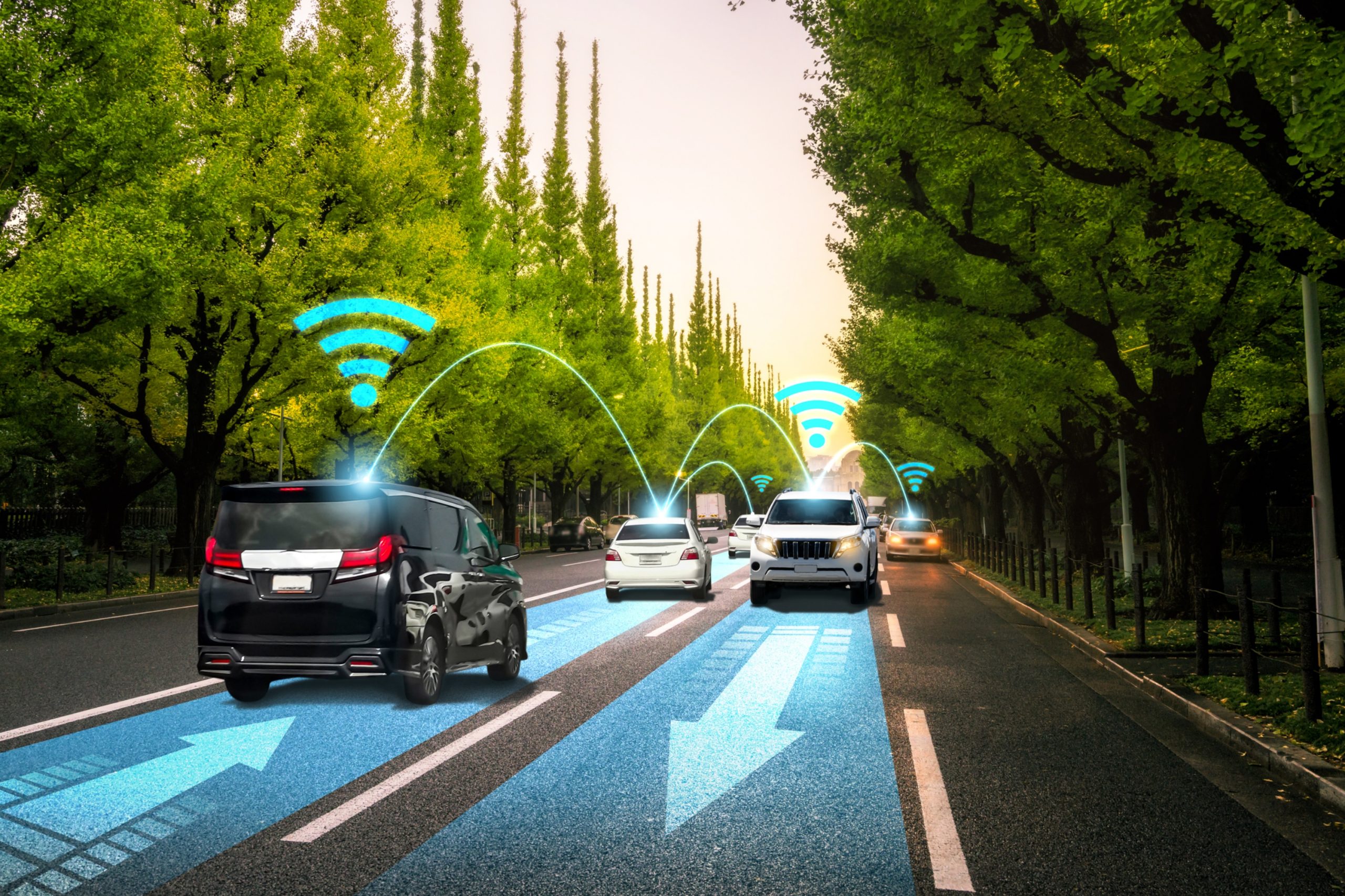
The Internet of Things (IoT) has elevated vehicles into fully connected smart devices. Today’s smart cars can communicate with smartphones, homes, and even other vehicles on the road.
For example, the BMW iX allows users to check vehicle status via an app or unlock the car remotely using a smartphone. Additionally, Vehicle-to-Vehicle (V2V) communication enables cars to exchange real-time data on speed and location, helping to reduce congestion and enhance road safety.
Virtual Assistants: Your Companion on Every Journey
The emergence of smart virtual assistants in cars has revolutionized the driving experience. Integrated with AI systems similar to Siri or Google Assistant, these assistants enable voice-controlled interactions, allowing drivers to play music, navigate routes, and check the weather without taking their hands off the wheel.
A prime example is Mercedes-Benz MBUX, which offers an intuitive interface and the ability to learn user habits, creating a personalized and seamless driving experience.
Electric Vehicles: Driving Toward Sustainability
Finally, electric vehicle (EV) technology, powered by advanced battery systems, is leading the automotive industry toward sustainability. Models like the Ford Mustang Mach-E and Hyundai Ioniq 5 not only reduce emissions but also feature fast-charging capabilities and intelligent energy management.
This evolution highlights that smart cars are not only about convenience but also play a crucial role in environmental protection and the future of sustainable mobility.