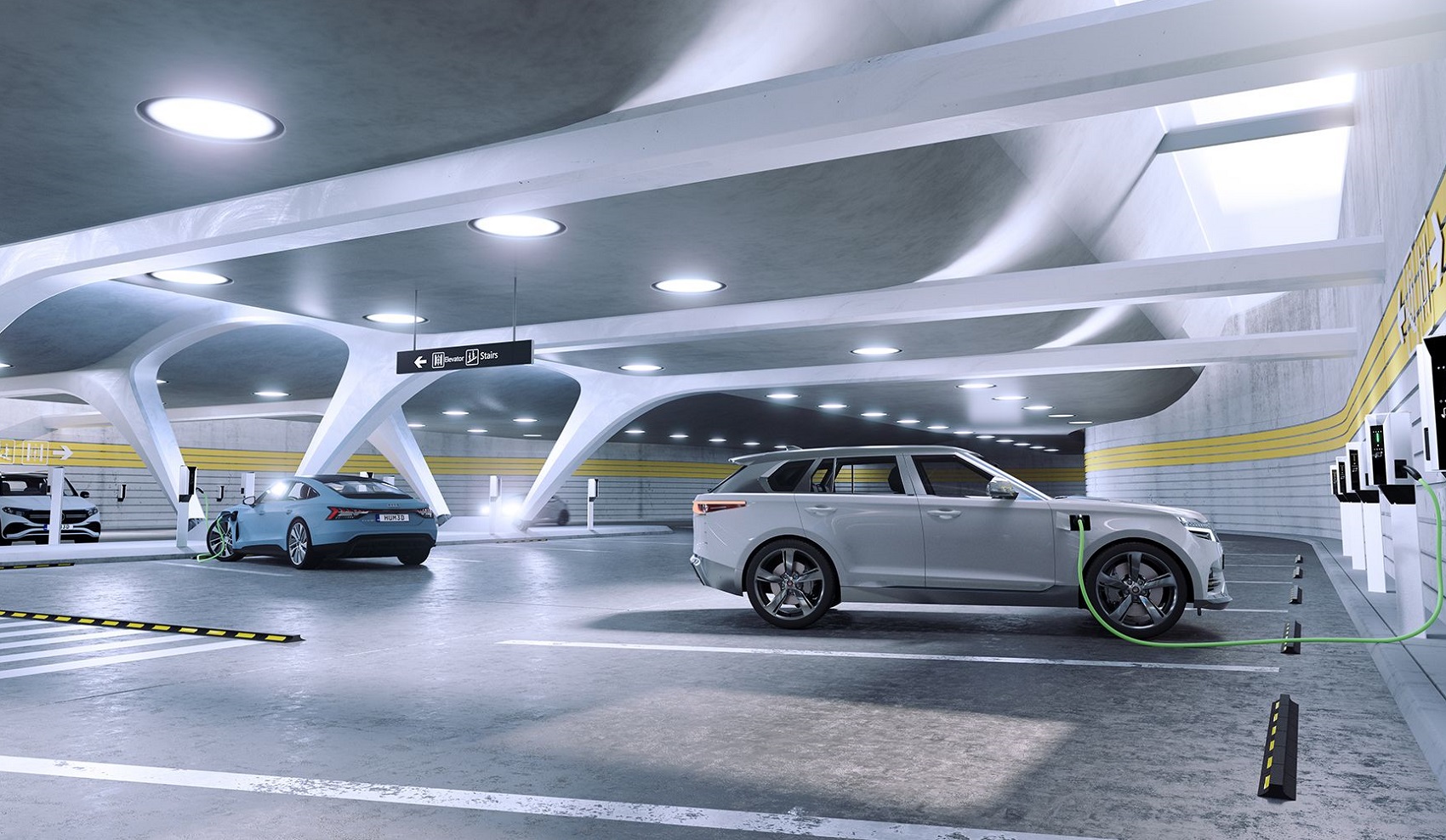
Chinese electric vehicle (EV) manufacturers are aiming to fully charge EV batteries in just 100 seconds by deploying 1,000 ultra-fast battery swapping stations. If this ambitious plan is successfully executed, it could revolutionize EV charging and render traditional charging methods obsolete.
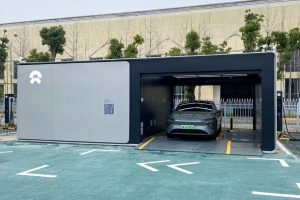
According to Carscoops, while Tesla was the first EV brand to explore battery swapping stations, it is now being outpaced by Chinese EV makers in this area. Interestingly, it’s not BYD—China’s largest EV company—but Nio that is leading the battery swapping race. Nio has successfully deployed thousands of battery swapping stations across China. This trend signals that battery swapping may soon become more common in China, and even in Europe, where similar stations are also being implemented.
Meanwhile, Changan Automobile—a former partner of Nio—has launched the first 1,000 units of the Oshan 520 sedan, designed specifically for taxi services. What has caught the attention of industry experts and consumers is that this model is the first vehicle to use the swappable Choco-SEB battery, developed by CATL, the world’s largest battery manufacturer. The key feature of the Choco-SEB is that it allows a battery to be swapped in just 100 seconds at dedicated stations. Currently, the city of Chongqing has 34 Choco-SEB swap stations, and CATL aims to deploy 1,000 stations across 31 cities in China by 2025.
CATL has already signed agreements with several automakers—such as GAC, Chery, Nio, SAIC, FAW, BAIC, and other partners—to produce EVs compatible with this new battery type. Vehicles from these brands will be able to use CATL’s battery swap stations, with a capacity of up to 822 swaps per station per day.
The Oshan 520 comes equipped with a 56kWh battery, offering a maximum range of approximately 515 km. Priced at around 167,000 yuan (approximately 603 million VND), this sedan is considered affordable for the average Chinese consumer. However, the most significant advantage it offers lies in its battery-swapping technology. Taxi drivers, in particular, benefit from the minimal wait time—just 100 seconds to swap a battery, which is even faster than refueling a gasoline car.
Besides the Oshan 520, several other Chinese EV models are confirmed to be compatible with the Choco-SEB battery, including the GAC Aion S, Hongqi E-QM5, SAIC Roewe D7, BAIC C66, Wuling Bingo, Wuling Starlight, SAIC Rising R7, SAIC Maxus Mifa 9, and SAIC Maxus Dana. This growing list of compatible models suggests that battery swapping may soon become a new standard, at least for electric cars in China.
Stay tuned to CarDoctor for the latest updates and valuable tips!