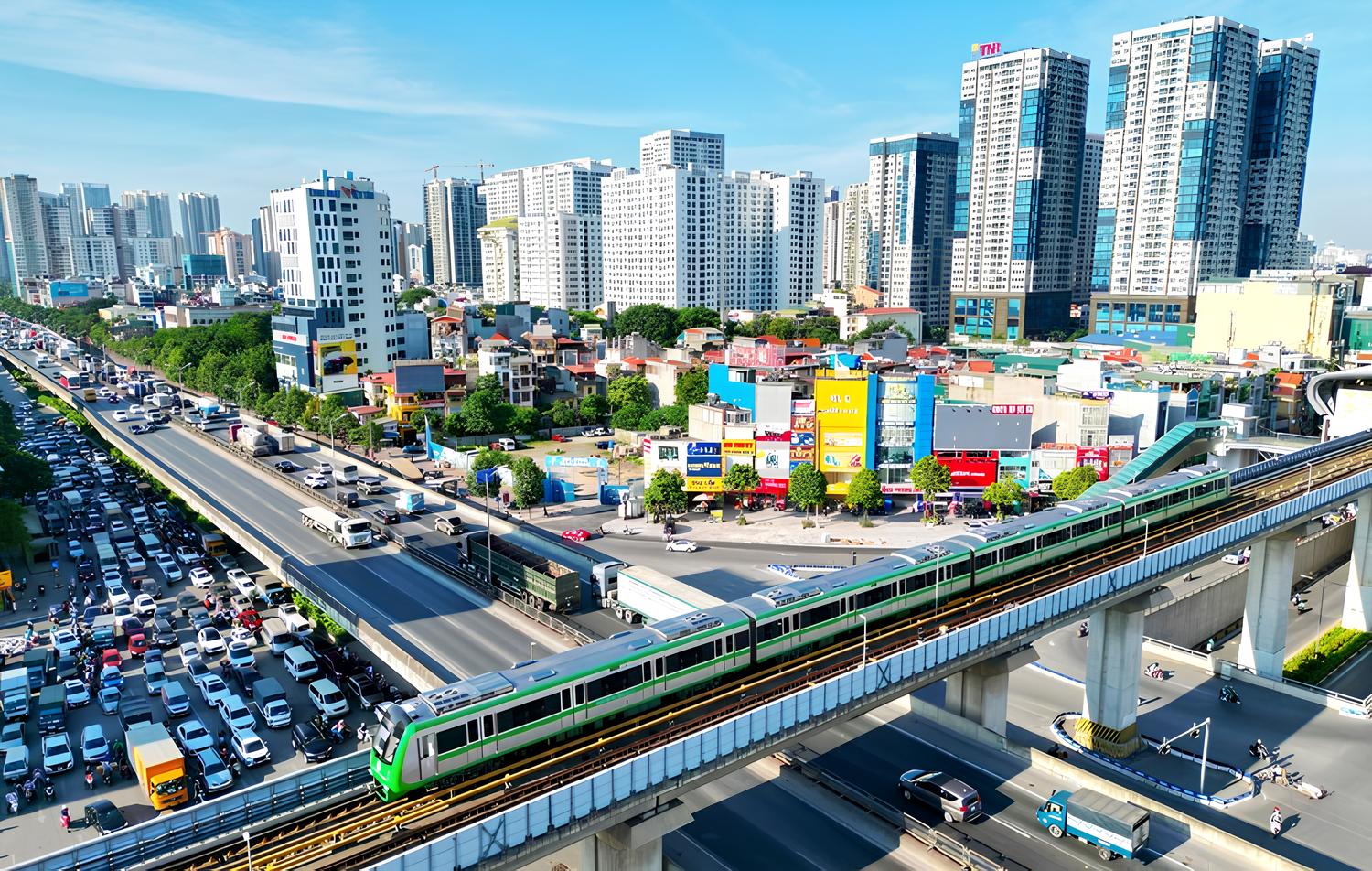
From July 1, 2026, Hanoi is expected to pilot the Low Emission Zone (LEZ) model in the city center. This is considered the initial step in the roadmap to control fossil fuel vehicles, aiming to improve air quality and reduce urban traffic pressure.
1. Piloting around the Hoan Kiem Lake area
The first selected area is the central core around Hoan Kiem Lake and its adjacent streets. This is an area with high vehicle density that already has experience in organizing vehicle-restricted spaces through the “walking street” model.
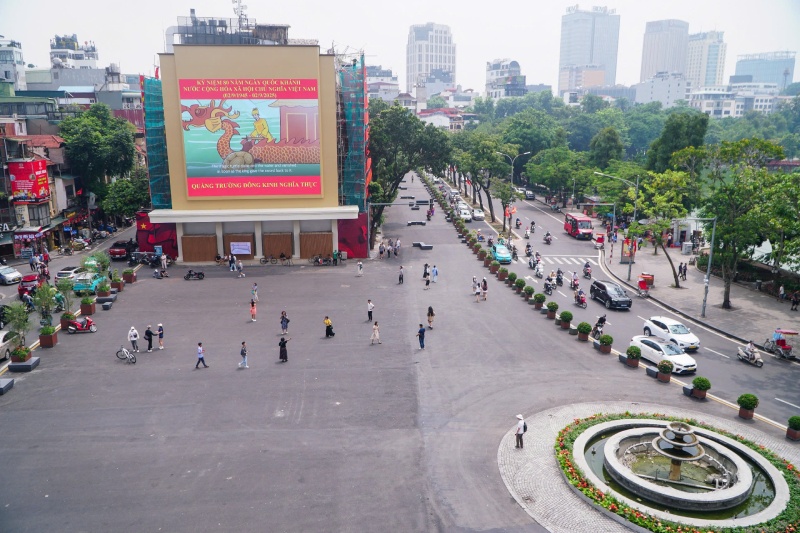
In the initial phase, gasoline and diesel vehicles are still allowed to circulate; however, they will be strictly controlled based on various criteria. Restrictions may apply by time slots, specific routes, or particular zones.
Notably, vehicles that do not meet high emission standards, especially long-used vehicles, will be the first group to face tightened controls. Additionally, fossil fuel trucks, especially heavy-duty ones, are likely to be restricted or banned from the pilot zone to minimize congestion and pollution.
Implementing this step-by-step approach, rather than an immediate total ban, is considered suitable for practical conditions, allowing citizens and businesses time to adapt.
2. Roadmap for expansion to ring roads
Following the pilot phase, Hanoi plans to expand the Low Emission Zone to Ring Road 1 – where many inner-city districts with high vehicle density are concentrated.
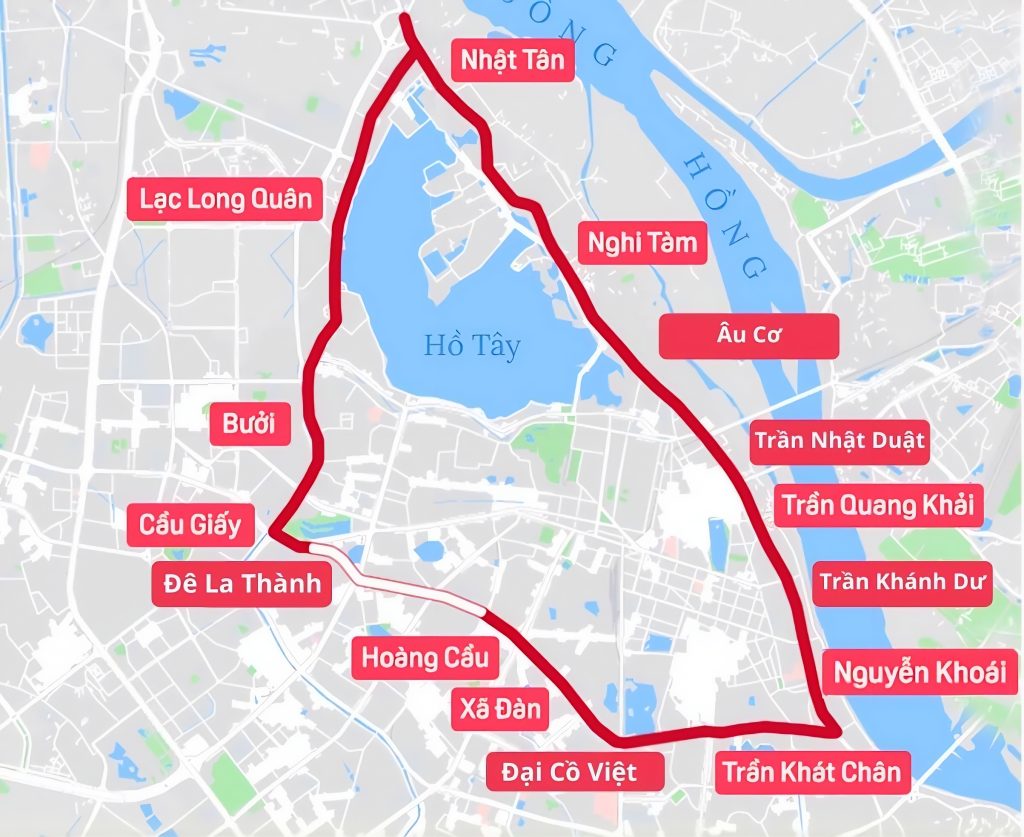
Here, control measures for fossil fuel vehicles will be strengthened, which may include raising emission standards, extending restricted time slots, or expanding the scope of application by zone. Certain central districts such as Ba Đình and Hai Bà Trưng are identified as priority areas.
In subsequent phases, the city aims to expand the control scope to Ring Road 2 and Ring Road 3, moving toward forming a wide-scale LEZ network covering many inner-city areas.
Simultaneously, Hanoi is also accelerating the development of public transport systems, encouraging the use of electric vehicles, bicycles, and other eco-friendly modes of transportation to gradually replace gasoline and diesel vehicles.
3. Not a total ban yet, but the transition trend is clear
According to experts, implementing Low Emission Zones is an inevitable trend in modern urban management, particularly in major cities facing air pollution pressure like Hanoi.
Although a total ban on fossil fuel vehicles has not been applied yet, the gradual tightening roadmap will make the use of these vehicles increasingly restricted. This is expected to drive the transition process toward environmentally friendly vehicles.
In the coming time, citizens traveling into the city center need to proactively update regulations regarding restricted time slots, emission standards, and the scope of control to avoid inconveniences during transit.
The Low Emission Zone pilot policy is expected to create positive changes in improving air quality, reducing traffic congestion, and enhancing the quality of life in Hanoi in the years to come.
Follow the CarDoctor website regularly to update the latest news about the automotive market, technical knowledge, technology trends, as well as experiences in operating garages effectively.