2026 marks a significant transition in the automotive repair market as the vehicle fleet structure shifts rapidly: Electric Vehicles (EVs) and Hybrids are gaining market share, ride-hailing vehicles are operating at high intensity, and Advanced Driver Assistance Systems (ADAS) are becoming standard even in entry-level segments.
This evolution is driving a major shift in spare parts demand. For garages, the critical question is not just “where is the demand growing?” but “which categories offer the most stable and attractive profit margins?”
Below are the spare parts categories projected to grow most strongly in 2026.
1. ADAS Components: The Fastest Growth
Advanced Driver Assistance Systems (ADAS) have become a common standard. Features such as collision warning, lane-keeping assist, autonomous braking, and blind-spot monitoring rely on:
- Front-facing cameras.
- Radar units.
- Ultrasonic sensors.
- Electronic Control Modules (ECMs).

With the increasing density of ADAS-equipped vehicles, the demand for replacement sensors and cameras—and particularly calibration services after body repairs—is rising sharply. For garages, these are high-value components requiring specialized expertise and offering better margins than traditional consumables. The prerequisite, however, is investing in calibration equipment and sourcing safety-certified parts.
2. Electrical Components and Battery Management for EVs/Hybrids
While EVs and Hybrids may not yet hold an absolute majority, their steady growth is fueling demand for specialized parts:
- Battery Management Modules (BMS).
- Power Inverters/Converters.
- Battery temperature sensors.
- High-voltage wiring harnesses.
- Charging ports and onboard chargers.
Beyond failure replacements, the need for diagnostic inspections increases as these vehicles enter their 3rd to 5th year of operation. This category has high technical barriers, requiring technicians to be trained in high-voltage safety, but it offers a first-mover advantage with lower competition.
3. Braking and Suspension Systems: Driven by High-Intensity Usage
The boom in ride-hailing services and commercial transport has significantly increased vehicle mileage. This leads to a surge in replacement needs for:
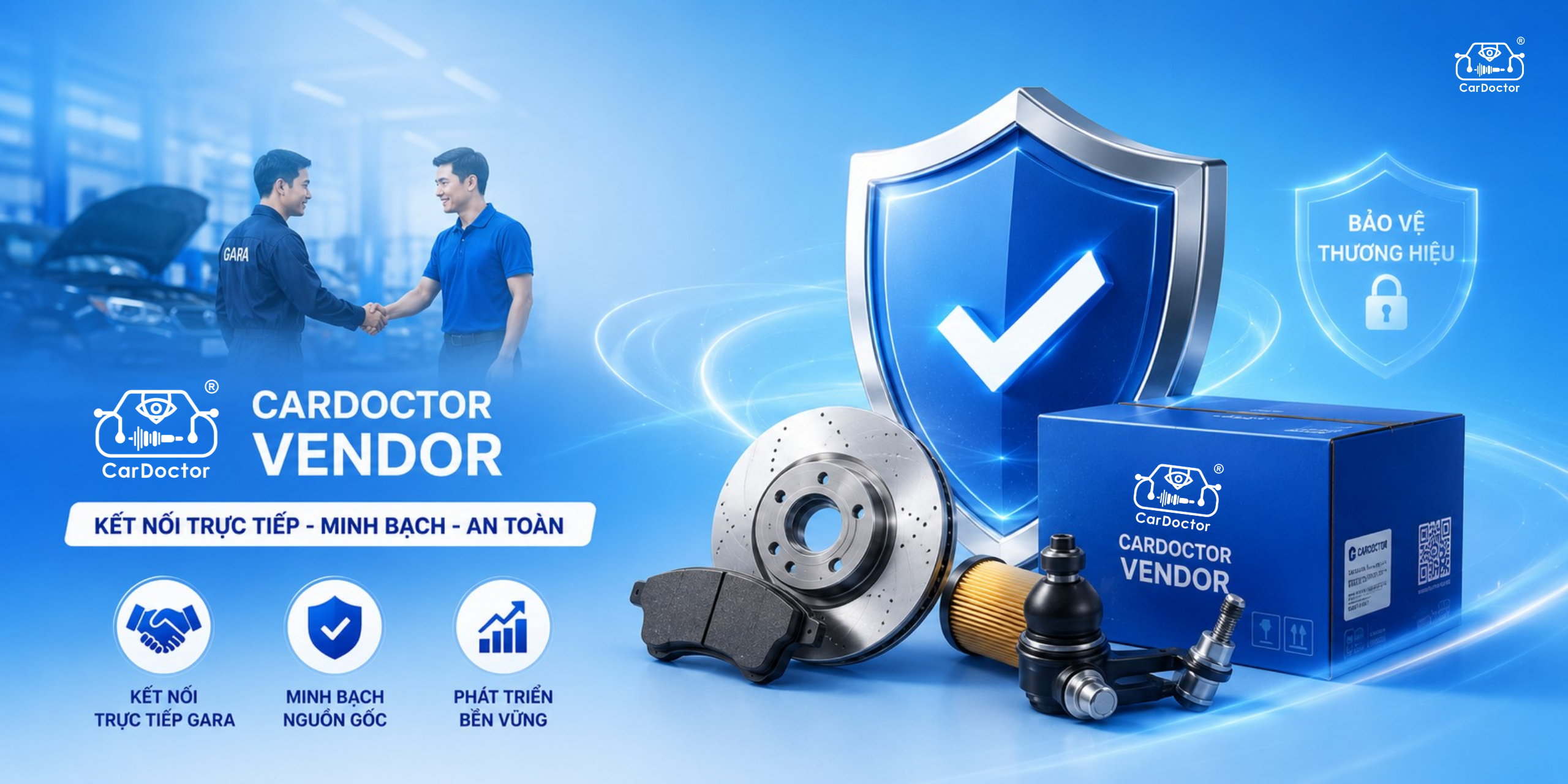
- Brake pads and discs.
- Shock absorbers.
- Tie rods and control arms (A-arms).
- Engine mounts and bushings.
This remains the most stable revenue driver with the fastest inventory turnover for garages. While individual margins may be modest, the sheer volume ensures consistent cash flow. Note: 2026’s hybrid fleet places unique stress on braking systems due to regenerative braking—garages must understand these structures to select compatible parts.
4. Smart Electrical & Electronic Components: The Long-term Trend
Modern vehicles integrate complex electronic control systems such as:
- Central infotainment displays.
- Digital instrument clusters.
- Body Control Modules (BCM).
- Tire Pressure Monitoring Systems (TPMS).
As vehicle lifespans extend, electronic malfunctions become more frequent. These high-value parts require advanced diagnostic skills. Garages that invest in sophisticated scanners and secure a stable supply of these components will hold a massive advantage.
5. Traditional Consumables: Stable but Highly Competitive
Engine oil, air filters, oil filters, spark plugs, and belts remain indispensable. However, this is a highly saturated market where margins are squeezed by price wars. The optimal strategy for garages is not “selling at a higher price,” but rather efficient inventory management, sourcing from reputable suppliers, and optimizing stock turnover.
How Should Garages Prepare for 2026?

Based on these growth trends, garages should focus on three strategic directions:
- Invest in High-Tech Services: Focus on ADAS calibration and EV electrical repairs to capture high-margin segments.
- Optimize the Supply Chain: Source high-quality sensors and electronic components where safety standards are becoming increasingly stringent.
- Scientific Inventory Management: Avoid “tying up capital” in low-margin, highly competitive consumables through data-driven stock control.
Conclusion
The 2026 automotive parts trend shows a clear migration from purely mechanical components to electrical, electronic, and smart safety systems. For garages, success lies in choosing the right high-potential categories and investing in the technical capacity to service them. In an increasingly specialized market, proactive adaptation is the key to long-term competitive advantage.